Blog Posts

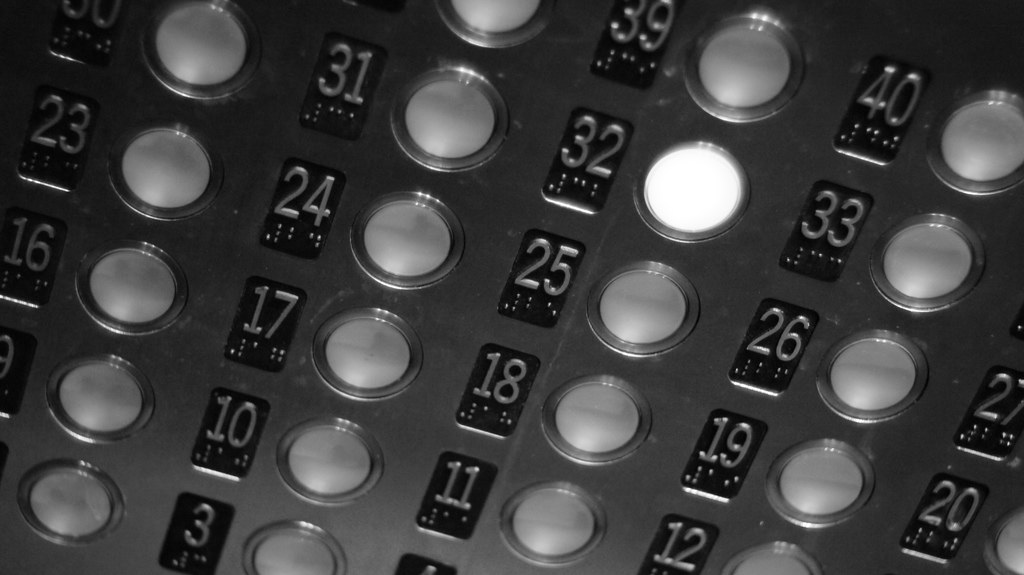
Elevator Etiquette for the Modern Apartment Dweller-image

Today's blog is a quick review about Elevator Etiquette. We all know indulging in any type of bodily function is definitely taboo. But what about the things you are supposed to do? These tips will help you get it right. Placement - or where do I stand? 1 person - wherever you want. Until someone else gets on. 2 people, separate, you don't want to get in their personal bubble. 3-4 people, each to a corner. 4 + stand where you can fit and still leave some space. Face the door and keep packages and bags in front of your body. In a crowded elevator, the person nearest the door becomes the Button Pusher. If you are the Button Pusher, be proactive and ask those entering the elevator which floor they wish to exit on. Now about Holding Doors If you are alone in the elevator, you should always hold the door. If there are a few other people in the elevator, but you are the designated "button pusher," use your discretion. (Did the person see your face? Do they seem desperate? Is it your boss?) If the elevator is very full, let the doors close, but make a lame, shrugging "Sorry!" face. Conversation If you must talk, a simple nod and general greeting is sufficient. If you simply must say something, keep it light. If you are with someone and conversing before you enter an elevator, put your conversation on hold until you exit. Never hold a personal or sensitive conversation on the elevator, in person or on the phone. Do not continue talking on your phone. Tell the person you will call them back. (If the elevator isn't terribly crowded texting is fine.) Entrance and Exit Strategies When you are waiting for the elevator, stay far enough back that those exiting the elevator have room to get out. Before you board the elevator, know whether it is going up or down (and know which direction you are headed). If the car is already crowded, watch to see if the passengers either verbally invite you to come aboard or squeeze together to provide room for you to enter. If you are in the back of a crowded elevator, let the other riders know when your floor is coming up. It is sufficient to say something like, "My floor is next." This will cue the other riders to move so you have room to make your way to the front of the elevator. On the question of Ladies First, it remains a debate. Letting a lady decide if she wants to get in the same car as a potential creepy guy by going in last has its merits; yet, on the other hand traditionally, as a courtesy, a gentleman lets the lady enter the elevator first, and takes on the chore of pushing the buttons. However, that could have its perils too, as this Shel Silverstien poem illustrates: Pamela Purse The bottom line, whoever gets on or off first, is to be courteous to everyone. Leave a comment and tell us about an elevator experience that has stuck with you.

Read more
A Brief History of Pool-image

In today's blog, we will take a look at the history of billiards, which comes with its own vocabulary and rules, and the popular American pool game, eight ball. Evolved from lawn games like croquet, billiards refers to a game played with a cue stick which is used to strike billiard balls moving them around a cloth covered billiard table cushioned with rubber rails. Billiards refers to all games played on such a table with our without pockets. On the other hand, pool (also called pocket billiards in some places) is billiard game played on a table with six pockets (one in each corner and two in the center of the longer rail). The earliest documented record of a billiard table was made in 1470? The table, made of stone, with a cloth covering, and a hole in the center which balls could be driven into, was on an inventory of property owned by King Louis XI of France. Louis wasn't the only royal to enjoy a game of billiards. Mary, Queen of Scots was known to enjoy the game, and it was played in many royal courts. The stick, known as a cue, short for the French queue, came along later. Pool was originally played with maces being used to strike at the balls, which was difficult when they were positioned close to the edge of the table. Thus the cue stick was an improvement. Wool is still the fabric choice for covering pool tables, being in use for over 400 years (though today's wool is a high-tech blend). Billiard balls were once made of ivory, Sorel cement (an imitation ivory), and a composite called nitrocellulose; today various plastics and resins are used. Billiards claim the honor of being the first sport to have a World's Champion, happening in 1873. Some notable pool players include Thomas Jefferson, (who had a pool room concealed in Monticello) W.C. Fields, and Tom Hanks. The most popular American pool game is 8 ball . In this game each player tries to claim a suit (usually stripes or solids), pocketing all of the balls in that suit, then legally pocket the 8-ball, at the same time denying one's opponent opportunities to do the same with their suit and without pocketing the cue ball. So the next time you head to the clubhouse for a game of pool, reflect for a moment on the history of the game. And feel free to share a story about pool in the comments.

Read more
Using the Fitness Center at Your Community-image

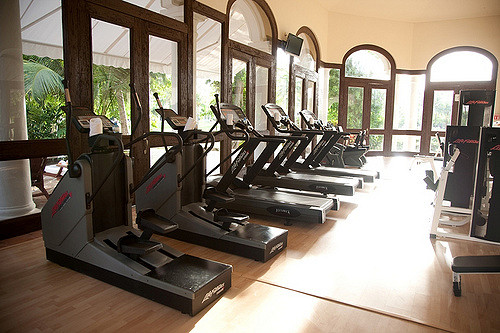
When was the last time you used the on-site fitness center at your community? If you are a regular user, kudos to you. If it's been awhile, you may want to start using this great amenity. Granted, sometimes it is difficult to get motivated to start, or to keep going day after day, week after week, month after month. But, the payoff of looking and feeling better is worth the effort it takes. Here are some tips for getting the most out of the gym: Tip #1 - Set a regular time for exercise. Try several different time frames to figure out which one works best for you; then make a commitment to do it according to your schedule, and do your best to be consistent (and if you miss, just start again the next time). And if you've ever tried to form a habit in 21 days, you will want to read this article about how habits are actually formed. Tip #2 -Create a routine that challenges you, but isn't too difficult. And it might be a good idea to check with your doctor before starting an exercise program. This article at WebMD provides a good overview of appropriate questions to ask. Tip #3 -Track your progress so you can see how often you are exercising, and the results of your hard work. Whether you use a Fitbit, or simply jot down every time you exercise in a notebook, simply keeping track can help you to maintain regular exercise. Tip #4 - Set up a support group and/or find a buddy to exercise with. Someone, being accountable to someone else for showing up to exercise can be the perfect motivator. Reporting to a group can give us a place to share our exercise triumphs and tragedies. Find your own cheering team. Tip #5 - Take the time to learn how all of the machines work. Using the exercise machines properly can make a huge difference in how effective the exercise you do actually is. After your workout, you will be ready to hit the pool and relax! Please share a comment about how starting a fitness program has impacted your life.

Read more